in Prishtina, on 05.08.2025
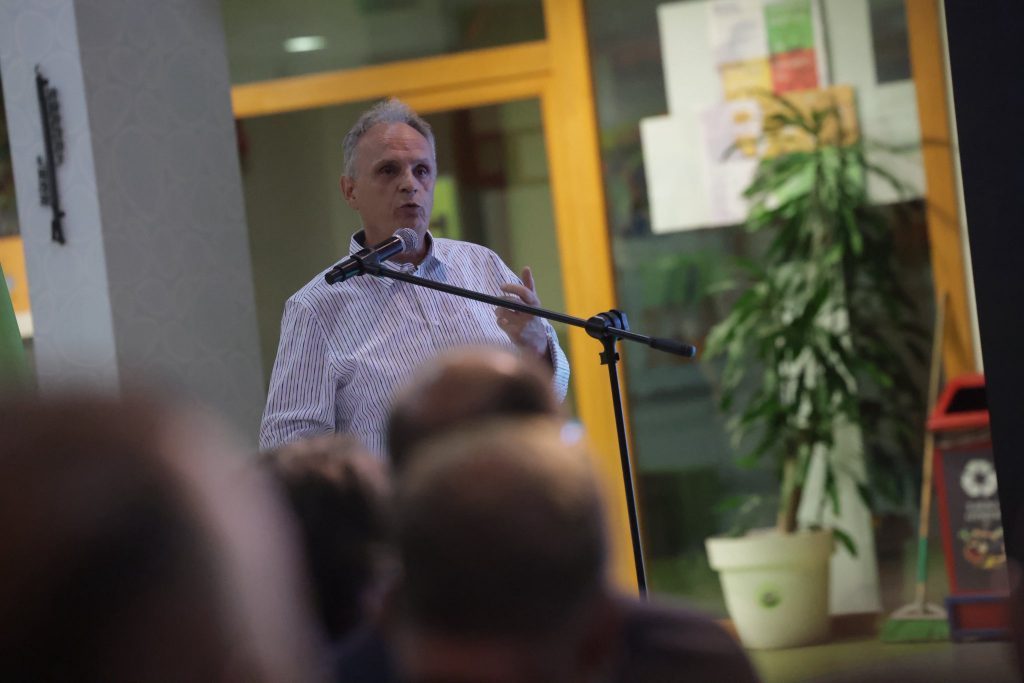
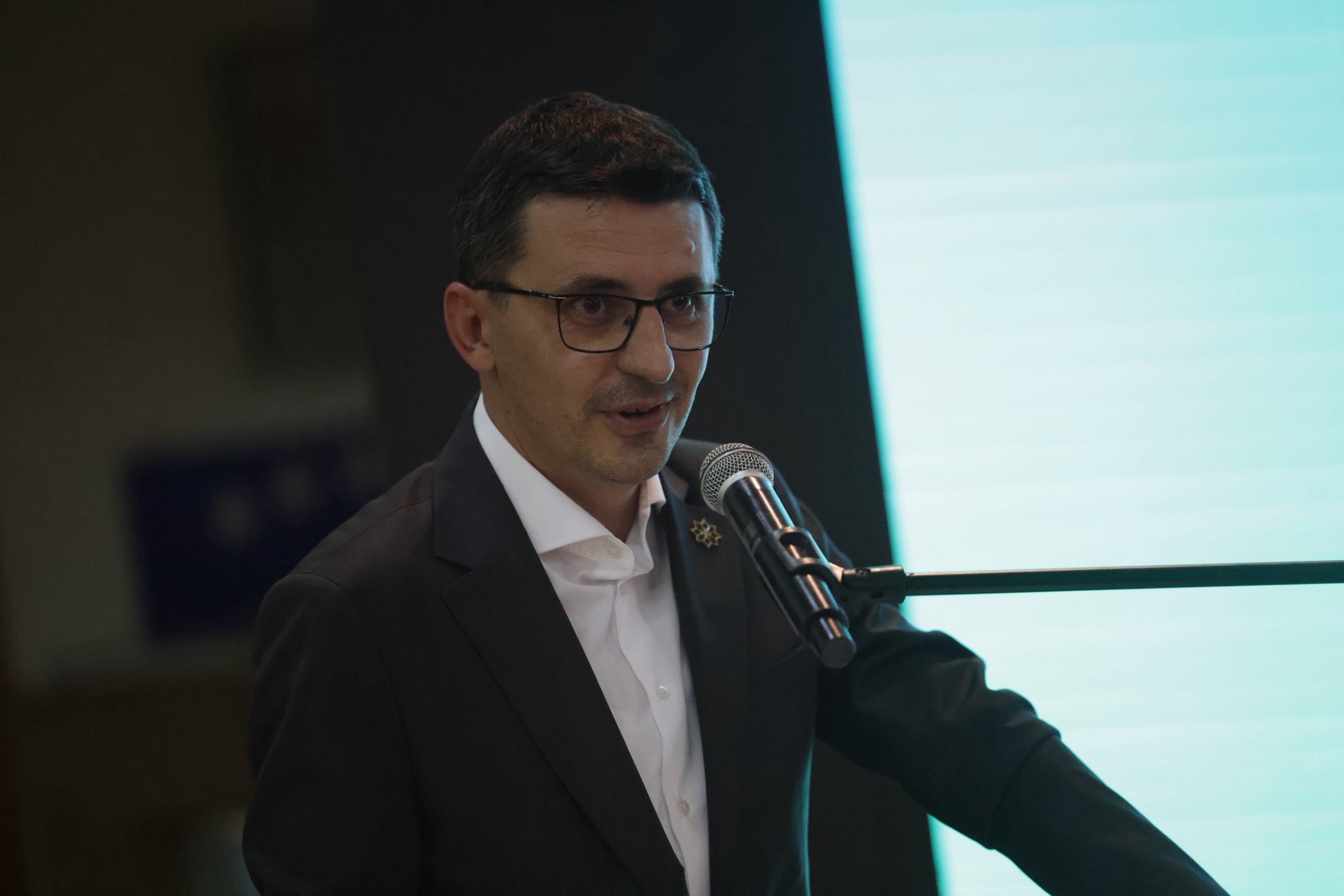
Last night, POE “Termokos” organized a presentation of the “Feasibility Study for Heating Coverage in Prishtina “, held at the premises of “Model” ( LSSch), in front of many capital city residents interested in the study’s results.
The Chief Executive Officer of POE “Termokos” JSC, Mr. Fisnik Osmani, expressing his satisfaction with the completion of this study, also spoke about the current energy capacities possessed by the enterprise, the projects implemented to date, network expansion, the growing number of consumers, substations, etc. Although the two capital projects currently in the process of implementation, “Solar 4Kosovo” and the Capacity Doubling Project, will significantly increase the enterprise’s energy capacities to provide heating, he noted that they will not be sufficient to fully cover Prishtina with heating.
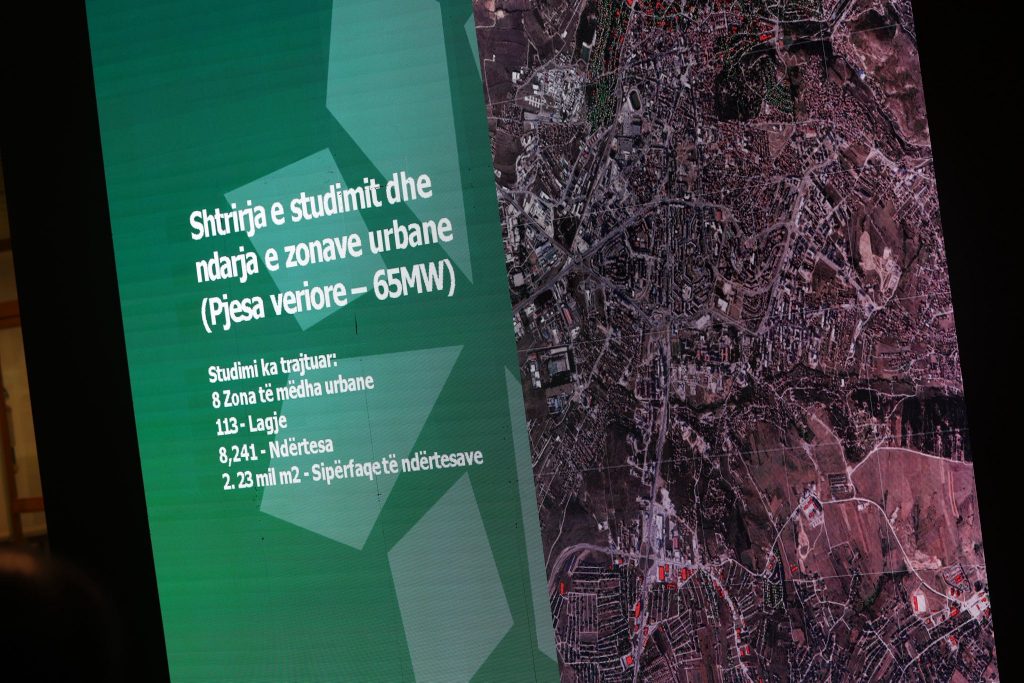
The Mayor of Prishtina, Mr. Përparim Rama, stated that the “Feasibility Study for the Heating Coverage of Prishtina” addressed 13,900 buildings, encompassing over 3 million m² of habitable surface, distributed across 11 large urban zones, with 141 residential neighbourhoods.
“This project is an infrastructure investment aimed at improving citizens’ lives and improving air quality,” said Mayor Rama, among other remarks.
On behalf of the team that worked on this study, Prof. Naser Sahiti presented its details. He explained that this study dealt with the buildings in the “Arbëria” neighbourhood, “Kodra e Trimave”, the Medrese area, the vicinity of the Llapi Mosque, the area near the “Ahmet Gashi” High School, “Taslixhe”, “Tokbashqe”, “Velani”, “Hajvali”, the area behind “Gorenje”, “Qershia” and “Qëndresa” According to this study, which is divided into two parts, the northern part of the capital requires 77 km of new heating pipelines and 6,268 connection points, while the southern part needs 76 km of pipelines for 3,155 connection points.
The study also examined the technological options that would be used to provide heating for these two areas, including combined plants, these with boilers, geothermal energy, and thermal energy storage through accumulation systems, etc.
Meanwhile, the total investment cost for the technologies examined and the network, through two options for the northern part: a cogeneration plant (gas) and a cogeneration plant (biomass), reaches the figure of around €100 million. For the southern part, using seasonal heat storage tanks and heat pumps, the total cost amounts to around €150 million. Responding to questions from interested citizens, Chief Osmani clarified that despite the significant investment cost required to fully provide heating coverage across Prishtina, efforts have begun to secure funding and identify opportunities to fulfil this long-standing request from its residents.